How to Maintain Steadfastness After Ramadan
Lyla HamdanInArticles|04/03/2026
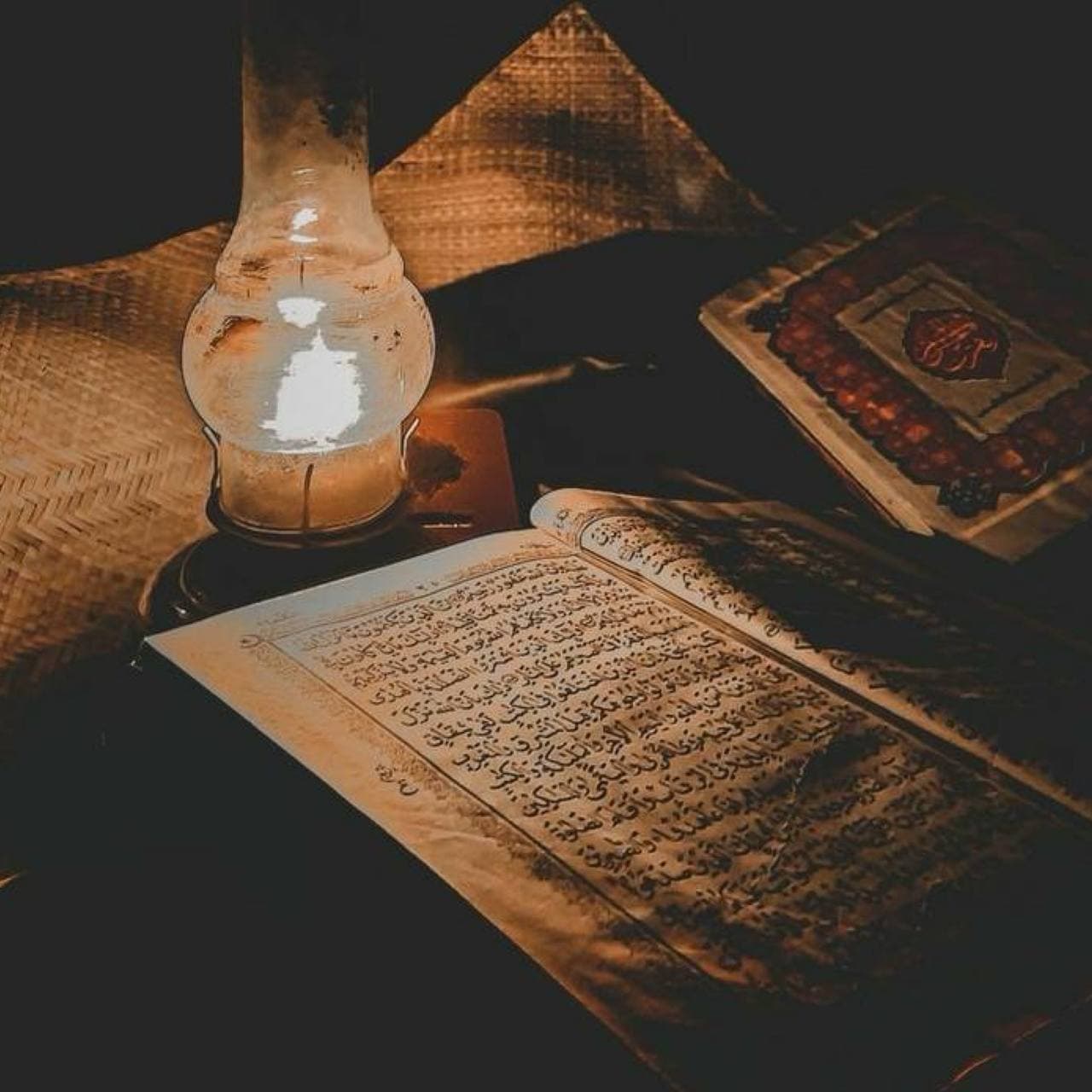
Question: How can my departure from Ramadan be different from every other year?
How can I remain steadfast in my level of worship after Ramadan?
How can the state of my heart not return to what it was before?
I fear being like the one who untwisted her spun thread after strengthening it?
Answer:
May Allah bless you and grant you well-being.
There is a very fair equation when we talk about commitment and steadfastness: to the extent of your sincerity, you will receive divine support and success in steadfastness. Therefore, your mere eagerness to preserve your steadfastness after Ramadan is a sign of vigilance and awareness, and it is, as I believe, one of the requirements of sincerity.
We have emerged from a great month, with awe-inspiring nights, a month of worship where souls were cleansed, nourished, and repaired. However, after Ramadan, the atmosphere changes completely, and people quickly return to busy daily lives where attention to worship becomes less, and procrastination and sluggishness dominate the scene. This is partly due to leaving Ramadan with a sense of accomplishment, as there is no longer an incentive to compete for the great reward of the month. It is also partly due to the prevailing culture, where the environment encourages moderation in the quantity of worship and a focus on worldly concerns.
Below, I summarize practical advice for achieving a level of immunity for the soul after Ramadan and highlight the most important factors for steadfastness until Allah grants us the opportunity to reach the next Ramadan, Insha'Allah. We ask Him, the Almighty, to grant us success in remembering Him well and worshipping Him, both during Ramadan and at all times.
1. Supplicate with Sincerity and Etiquette
There is no power or strength except with Allah, the Almighty. The beginning of every journey and task is by seeking Allah's help, glorified be He, and asking Him for ease and steadfastness with sincerity and devotion. This is done by observing the etiquette of supplication, such as glorifying Allah, sending blessings upon the Prophet (peace be upon him), and seeking times of responsiveness. In it, one expresses their weakness, sorrow, and complaints, and asks their Lord for ease, support, and guidance. It is important to frequently recite the supplication: "O Allah, help me to remember You, to thank You, and to worship You in the best manner," and the supplication: "O Allah, I seek refuge in You from associating partners with You knowingly, and I seek Your forgiveness for what I do not know," for these are among the reasons for success in worship, preserving good deeds, and guiding those who perceive.
2. Maintain a Minimum Level of Dhikr (Remembrance of Allah) That Never Decreases
This is one of the most important factors for steadfastness: maintaining a daily portion of dhikr that includes morning and evening remembrances, and being diligent in performing them with a present heart and detachment from distractions, in addition to remembrances before sleeping and upon waking, and daily remembrances from the Prophetic tradition. I emphasize that the daily dhikr should include Tasbeeh (glorification), Tahmeed (praise), Istighfar (seeking forgiveness), Hawqala (reciting "La hawla wa la quwwata illa billah"), and sending blessings upon the Prophet (peace be upon him) daily, with specific times allocated for them, and making them up when busy or in unforeseen circumstances. Muslims, both men and women, should commit to them with loyalty and love. This also includes adhering to the Prophet's (peace be upon him) advice to Fatimah and Ali (may Allah be pleased with them) before sleeping, as Ali ibn Abi Talib (may Allah be pleased with him) narrated that Fatimah (peace be upon her) came to the Prophet (peace be upon him) asking for a servant. He said: "Shall I not tell you what is better for you than that? When you go to bed, say Subhan Allah (Glorified be Allah) thirty-three times, Alhamdulillah (Praise be to Allah) thirty-three times, and Allahu Akbar (Allah is the Greatest) thirty-four times." Then Sufyan said: "One of them is thirty-four." He said: "I have never abandoned it since." It was asked: "Not even on the night of Siffin?" He replied: "Not even on the night of Siffin." (Narrated by Al-Bukhari).
When we talk about committing to dhikr, we are talking about an unparalleled factor for steadfastness, success, and divine companionship. Whoever neglects it is defeated!
Ibn Al-Qayyim (may Allah have mercy on him) said:
"Indeed, dhikr gives the one who remembers strength, so much so that he can do with dhikr what his body could not do without it. I have witnessed the strength of Sheikh Al-Islam Ibn Taymiyyah in his walking, speech, courage, and writing, something amazing. He would write in a day from his compositions what a scribe would write in a week or more. The army witnessed his great strength in battle. The Prophet (peace be upon him) taught his daughter Fatimah and Ali (may Allah be pleased with them) to say Tasbeeh thirty-three times, Tahmeed thirty-three times, and Takbeer thirty-four times every night when they went to bed, when she asked him for a servant and complained to him about the hardship of grinding, striving, and serving. He taught them that and said: 'It is better for you than a servant.' (Authentic) Narrated by Al-Bukhari and Muslim."
3. Be Diligent in Performing Prayers on Time
Allah, the Almighty, said: "So woe to those who pray, [4] those who are heedless of their prayer." (Al-Ma'un 107:4-5)
Sa'd ibn Abi Waqqas (may Allah be pleased with him) narrated that the Prophet (peace be upon him) said regarding the verse: "So woe to those who pray, those who are heedless of their prayer" – he said: "Those who delay their prayers beyond their appointed times, out of negligence." And from Ibn Abbas also: "They are the hypocrites who abandon prayer secretly and perform it openly, and when they stand for prayer, they stand lazily." (Referring to a similar verse).
Indeed, being diligent in performing prayers on time brings a kind of blessing, divine support, and steadfastness that is indispensable. Whoever maintains their prayers, Allah will bless their efforts and time. It is the first test of discipline that must be passed, because whoever disciplines themselves to perform the obligatory prayer, Allah will make easy for them every need for discipline in other matters. This is how one leads the soul on a journey of discipline among the believers.
4. The Great Qur'an Portion
After Ramadan, one must be extremely careful not to let the Qur'an return to a dusty shelf! Instead, it must become the most important appointment in the life of a Muslim, and a specific time should be allocated for it, just as for all important tasks. I always believe that any beneficial and blessed schedule is one where tasks are distributed around the fixed appointments of prayer, dhikr, and the Qur'an portion. These are the main stations in a believer's agenda, and daily tasks are determined and distributed accordingly. This is a practical translation of the meaning that our entire lives are for Allah, the Almighty, and our entire lives are worship by accounting for every movement and stillness in seeking Allah's pleasure and acceptance. Whoever consistently recites their portion of the Great Qur'an will find it a companion and a healing, a guide and a life, a support and an increasing certainty! Only the deprived neglect it.
5. Beware of Untwisting the Spun Thread
The first thing that untwists the spun thread is injustice. A Muslim should not delve into the mire of injustice, nor assist an oppressor, especially in our time, for oppressors are many, and those who argue on their behalf with great disdain are even more numerous. One should distance oneself from that. Among the causes of untwisting the spun thread are considering backbiting permissible and spending more time tracking what does not concern a Muslim and does not benefit them in their religion or their afterlife, such as tracking people's faults or diminishing their rights.
Also, among what untwists the spun thread is underestimating the effect of lying, immorality, and the characteristics of hypocrisy on the Muslim's soul. One should strive for truthfulness in word and deed, avoid anger for other than Allah, and preserve their good deeds by guarding their sight, hearing, and limbs from evil and forbidden things.
This is accompanied by seeking reward for every test of sincerity, deprivation, and loss. Protecting oneself from entering into forbidden things and following the footsteps of Satan, even if trials intensify, is among the most hopeful reasons for attaining high ranks in Paradise.
6. The Secret Good Deed (Khabee'ah)
The Prophet (peace be upon him) said: "Whoever among you can have a secret good deed, let him do it." (Sahih Al-Jami')
This refers to any good deed hidden from everyone except Allah, the Almighty.
It is very important for a person to seek what they can preserve for themselves, between them and their Lord, glorified be He – a good deed that they save for the day they meet Allah, the Almighty, to draw closer to Him. This is a wide door of choices according to what suits the person, their circumstances, and what is available to them. It could be secret charity, or a hidden act of worship like prayer and dhikr, and other things that a thoughtful person hoping for their Lord's mercy would not miss. This is also a matter of divine openings!
The important thing is to be keen on having a secret good deed in one's life. Ibn Al-Qayyim (may Allah have mercy on him) said: "Hidden sins are causes of setbacks, and hidden worship is the foundation of steadfastness."
So, the secret good deed is one of the most important factors for steadfastness and attracting the companionship of the Most Merciful.
Take provisions from this world, for you are departing,
And hasten to good deeds among those who hasten.
For wealth and family are but trusts,
And one day, these trusts must be returned.
7. Environment and Companionship
Allah, the Almighty, said: "And keep yourself patient with those who call upon their Lord morning and evening, seeking His countenance. And let not your eyes pass beyond them, desiring the adornments of the worldly life. And do not obey one whose heart We have made heedless of Our remembrance and who follows his desire and whose affair is ever [in] neglect." (Al-Kahf 18:28)
No matter how intelligent and righteous a person is, they will be affected by bad company, a tempting environment, or discouraging and disheartening spirits! Therefore, it is important for a Muslim to be diligent in choosing their companions, relationships, and environment as much as possible, purifying them from anything that corrupts their purity, and placing themselves where their soul and determination shine and their impact strengthens.
Indeed, every companionship for the sake of Allah endures, and every companionship for worldly matters ceases. So, one should not have too much worldly companionship, for it is fleeting. One should preserve sincere companions and offer them good loyalty befitting the honor of faith and brotherhood in Allah, so that hearts may unite for the sake of the believers and cooperate in righteousness and piety.
A Muslim should not risk being in an environment full of temptations and dangers and challenge it with arrogance! Rather, one should distance oneself from every mire of temptation, especially in our time, for they come in succession like raging waves, reaping many hearts in every surge, by Allah's will! The environment is one of the factors of collapse and regression, while righteous companionship is one of the factors of steadfastness and revival. We ask Allah for forgiveness and well-being, and to protect us from trials, both apparent and hidden.
8. Supporting Allah, His Messenger, and the Believers
Among the most hopeful reasons for steadfastness and divine companionship is supporting the truth, supporting Allah, His Messenger (peace be upon him), and the believers. So, beware of abandoning the truth in a situation where you see injustice and distortion. Denounce every evil to the best of your ability, call to Allah and the methodology of His Prophet (peace be upon him), fight every innovation and misguidance, and increase the number of righteous people and followers of the Sunnah. Do not let nationalism, tribalism, or partisanship deter you from noble matters or limit your sincerity to your Lord and your religion. Let the feeling of one nation encompass your judgments, efforts, and supplications. For the worship of defiance and repelling falsehood in all fields of confrontation is among the most hopeful deeds and a form of jihad through which its doer attains such divine success and companionship that cannot be counted or enumerated, according to their sincerity and devotion.
The door of supporting Islam and Muslims is wide, and its fields are extensive and integrated. The successful one is he who finds a foothold for himself and performs well, so his efforts become building blocks to repel the schemes of the disbelievers, support the law of Allah and the oppressed, and establish the structure of Islam on earth. And according to your intentions, Allah will open doors for you! Ibn Al-Qayyim (may Allah have mercy on him) said: "I heard Sheikh Al-Islam (may Allah have mercy on him) say: In some divine narrations, Allah Almighty says: 'I do not look at the words of a wise person, but I look at his determination.'"
9. Purity of Heart Towards Believers
Nothing is worth delaying your ascent to the rank of the truthful and martyrs for the sake of a fleeting world and tempting souls! Rather, account everything with Allah, the Almighty, and overlook, and Allah will honor you and compensate you with something better than what befell you. Indeed, you will find solace from Allah according to your magnification of reliance on Him, glorified be He, and your hope in what is with Him alone, without any partner.
Purity of heart towards believers means loving good for them, and removing grudges and envy from them, and accounting any harm that befell you from them for the sake of Allah, hoping for His mercy and compensation. Ibn Majah narrated in his Sunan from Abdullah ibn Amr, who said: It was said to the Messenger of Allah (peace be upon him): "Who are the best of people?" He said: "Every pure-hearted, truthful-tongued person." They said: "We know the truthful-tongued, but what is the pure-hearted?" He said: "He is the pious, pure one, in whom there is no sin, no transgression, no malice, and no envy."
And He, glorified be His Majesty, said: "It is He who supported you with His help and with the believers [62] and brought together their hearts." (Al-Anfal 8:62-63).
The essence of these meanings is in the saying of the Prophet (peace be upon him): "None of you truly believes until he loves for his brother what he loves for himself." (Narrated by Al-Bukhari and Muslim).
Purity of heart towards believers is a quality that brings victory and divine support. By virtue of it, your ship sails through the raging sea with ease and companionship that many lack. It necessitates warding off harm from the believer and supporting them with the righteous.
Judge Ibn Al-Akfani said: "The shortest path to Paradise is purity of heart." (Tarikh Dimashq (49/123))
This does not contradict redressing injustices and denouncing evil for the sake of Allah, the Almighty.
10. Continuous Striving to Increase the Balance of Good Deeds
This increase comes from two aspects: first, sincerity in deeds and their conformity to the Sunnah, which is non-negotiable because it is the basis for the acceptance of deeds by Allah, the Almighty. Second, their abundance and continuity, even if small. A day that passes without a good deed is a waste from a believer's life, and the sign of sincerity is action, which necessitates guidance, divine success, and openings. Allah, the Almighty, said: "And those who strive for Us – We will surely guide them to Our ways. And indeed, Allah is with the doers of good." (Al-Ankabut 29:69)
If you become lazy, remember the hadith of Aisha (may Allah be pleased with her) when she asked: "Which deed is most beloved to Allah?" The Messenger of Allah (peace be upon him) said: "The most regular, even if it is small." (Agreed upon).
11. The Worship of Contemplation (Tafakkur)
I do not exaggerate when I say that this worship is the key to divine openings and it necessitates the desired support and success, when a believer lives it with a unified, vibrant, and beating heart, contemplating everything they experience, what happens to them, what goes on around them, and what they witness of Allah's signs, His ways, and His wisdom on earth. They perceive and contemplate all of this with glorification of Allah, the Almighty, and appreciating Him as He deserves. We have in the story of Ibrahim (peace be upon him) an example and a lesson.
Umm Ad-Darda' was asked: "What was the best worship of Abu Ad-Darda'?"
She said: "Contemplation and reflection." (Nadrat An-Na'im, Vol. 3, p. 854, quoting Az-Zuhd by Wakee' ibn Al-Jarrah, p. 474.)
12. Rectification is the Strategy of the Astute!
Life does not remain on a single line of high determination; rather, it ascends and descends, and is affected by illness, circumstances, emergencies, and the languor that people experience and know. Therefore, rectification remains the strategy of the astute, to compensate for what has passed. This is done by continuously remembering death, reading about tenderizing the heart, and verses of warning and encouragement when striving weakens. Then, accompanying inspiring people who encourage believers, and merely seeing them is enough to evoke states of longing for Allah, His love, His fear, and His hope, and all situations and reasons that occupy the soul with noble matters.
Then, in times of languor, one remembers the rule: "A little that is continuous is better than a lot that is interrupted," and the rule: "What cannot be attained completely should not be abandoned entirely." Both are effective means of rectification. And praise be to Allah, we find in our Lord's law everything that helps with rectification, even at the level of multiplied dhikr. There are remembrances that suffice you and compensate you for what you missed, and they do not take much of your time. So, memorize them and be constant in them, and Allah does not waste the reward of the doers of good. Repeat, whenever your soul feels constricted or you feel delayed or stumbled: "And establish prayer at the two ends of the day and at the approaches of the night. Indeed, good deeds do away with evil deeds. That is a reminder for those who remember. [114] And be patient, for indeed, Allah does not allow to be lost the reward of those who do good." (Hud 11:114-115)
In conclusion, know that dealings with Allah, the Almighty, are not seen by people, and Allah alone knows what is in your heart and the truth of your sincerity in your intentions and deeds. For perhaps a sincere deed, even if small, will elevate you with Allah, the Almighty...
So, do not belittle any good deed, and continuously reflect on Allah's blessings, thank Him, remember Him, and worship Him well. Gather the causes of your heart's strength and flee from all factors that weaken it, for these are but a few days, and we will depart from this earth to the eternal abodes. So, let your most important appointment ever be the appointment with death, and let your first priority be your balance of good deeds, raising and multiplying them. Have a good opinion of Allah, the Almighty, realizing that the relationship with Allah, the Almighty, is very great, and it is based on sincerity and devotion, and the way to that is adherence to the Book and the Sunnah, without deviating from them. So, cling to them and follow the footsteps of the early predecessors, and you will see with a light from Allah, the Almighty. And all praise is due to Allah, the Lord of the worlds, and peace and blessings be upon the noblest of messengers, our Prophet Muhammad, and upon his family and all his companions.