A Day in the Life of the Prophet ﷺ in Ramadan
Lyla HamdanInArticles|04/03/2026
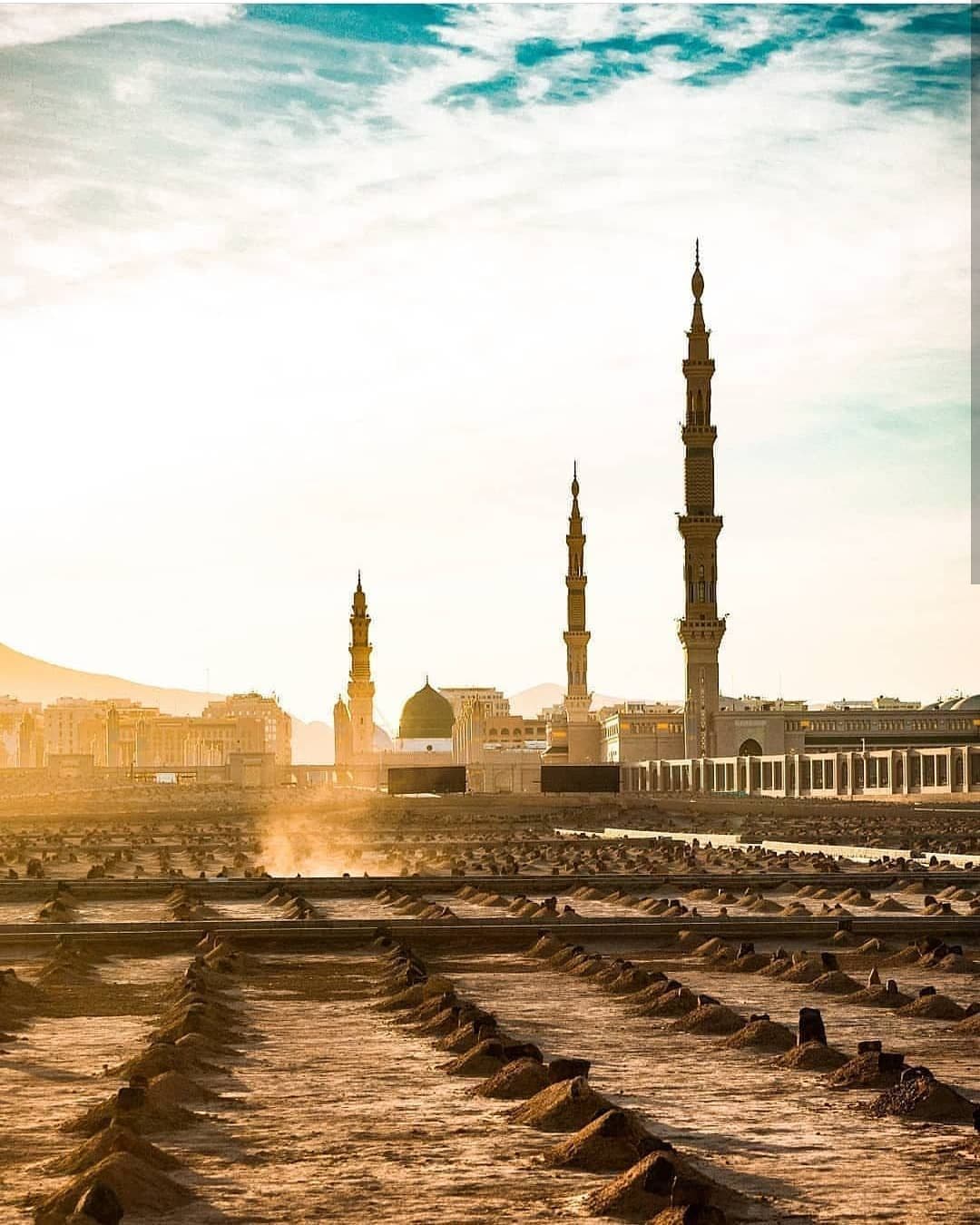
Ramadan in the life of the Prophet ﷺ was not merely a month passing on the calendar; it was a complete spiritual school in which the meanings of sincere servitude were manifested. It reflected a remarkable balance between worship and mercy, between fulfilling the rights of Allah and fulfilling the rights of family and people. Whoever reflects on just one day of his ﷺ life in Ramadan realizes that this month was for him a season of spiritual elevation, purification of the soul, and refinement of the heart.
The Prophet ﷺ would form the intention to fast every night, in obedience to his Lord and in pursuit of perfect worship. He would take suhoor (the pre-dawn meal) with one of his wives, eating a small amount of food—perhaps a few dates or something light—and drinking water, in accordance with his saying:
“Take suhoor, for indeed there is blessing in suhoor.” (Agreed upon)
At times, he would take suhoor with some of his companions. It is authentically reported that he took suhoor with Zayd ibn Thabit (may Allah be pleased with him), and then they rose for prayer. The time between finishing suhoor and the Fajr prayer was about the time it takes to recite fifty verses of the Qur’an—a scene filled with serenity and dignity.
He ﷺ would pray the two light rak‘ahs of Sunnah before Fajr in his home, then wait until Bilal (may Allah be pleased with him) informed him of the iqamah. He would then come out from the rooms of his wives, which were adjacent to the mosque, and lead the people in the Fajr prayer—beginning his day with congregation, remembrance, and guidance.
Until Sunrise
After Fajr, he would remain seated in his place of prayer remembering Allah until the sun rose. When it had risen, he would pray two rak‘ahs. He informed that whoever does this receives a reward like that of a complete Hajj and ‘Umrah. (Reported by al-Tirmidhi)
In his home, he would serve his family. ‘A’ishah (may Allah be pleased with her) said: “He used to be in the service of his family.” (Reported by al-Bukhari) He would show affection and kindness to his wives even in Ramadan, and he would sometimes kiss while fasting—being the most self-controlled among people—thus combining perfect worship with excellent character.
At Sunset: Simplicity and Following the Sunnah
Before Maghrib, he would remember Allah and supplicate. When the call to prayer was made, he would hasten to break his fast before praying, following his guidance. He would break his fast with fresh dates; if none were available, then with dry dates; if none were available, then with a few sips of water, as narrated by Anas (may Allah be pleased with him). (Reported by Abu Dawud and al-Tirmidhi)
He would then pray Maghrib in the mosque, return home to pray the Sunnah prayer, and sit with his family. When ‘Isha was called, he would pray its Sunnah at home and then lead the people in prayer. He led them in Taraweeh for three nights, then refrained out of fear that it might become obligatory upon them. (Agreed upon)
His Night Prayer in Ramadan
He never exceeded eleven rak‘ahs in Ramadan or outside it, as ‘A’ishah (may Allah be pleased with her) said: “He would pray four, and do not ask about their beauty and length; then he would pray four, and do not ask about their beauty and length; then he would pray three.” (Agreed upon)
Sometimes he would sleep before praying Witr. When ‘A’ishah asked him about this, he said: “My eyes sleep, but my heart does not sleep.” (Agreed upon) This was unique to him ﷺ.
He might have relations with his wife during the night of Ramadan and then wake up in a state of janabah (major ritual impurity), perform ghusl, and pray—teaching the Ummah that fasting applies to the daytime, while the night is a time of lawful ease.
Qur’an and Charity
In Ramadan, he would devote himself to the Qur’an. Jibril would meet him every night of Ramadan to review the Qur’an with him. (Agreed upon)
He was the most generous of people, and he was even more generous in Ramadan when Jibril met him. Indeed, the Messenger of Allah ﷺ was more generous in goodness than the blowing wind. (Agreed upon)
He would endure hunger and sometimes fast continuously for two or three days, saying:
“I spend the night with my Lord, and He feeds me and gives me drink.” (Agreed upon)
The Last Ten Nights: The Peak of Striving
When the last ten nights entered, he would tighten his waistcloth, spend the night in worship, and awaken his family. (Agreed upon)
He would perform i‘tikaf (spiritual retreat) in the mosque during the last ten nights, and in the final year of his life, he performed it for twenty days. He would seek Laylat al-Qadr and say:
“Seek Laylat al-Qadr in the last ten nights of Ramadan.” (Agreed upon)
When ‘A’ishah asked what she should say if she found it, he replied:
“Say: O Allah, You are Most Forgiving, You love forgiveness, so forgive me.” (Reported by al-Tirmidhi)
He would awaken his family to strive in worship, embodying the model husband who cares for his family’s salvation, in accordance with Allah’s saying:
“O you who believe, protect yourselves and your families from a Fire.” (Qur’an 66:6)
Ramadan: The Month of Striving
Ramadan in the life of the Prophet ﷺ was not a month of inactivity or relaxation; rather, it was a month of determination, sacrifice, and striving. In it occurred the Battle of Badr, on the seventeenth of Ramadan in the second year after Hijrah—the Day of Criterion when Allah granted victory to the small believing group over a much larger force. Allah says: “And Allah had already given you victory at Badr while you were few in number.” (Qur’an 3:123).
In Ramadan of the eighth year after Hijrah, the Prophet ﷺ set out for the Conquest of Makkah, one of the greatest turning points in Islamic history. He began the journey fasting, and when he reached Al-Kadid, he broke his fast and instructed the companions to do the same so they would have strength for the mission ahead. It was a decisive victory after which people entered Islam in multitudes.
His striving ﷺ in Ramadan was not limited to the battlefield. His greatest striving was the struggle of the soul: standing in night prayer, reviewing the Qur’an with Jibril (peace be upon him), and giving in charity until he was described as “more generous in goodness than the blowing wind,” as reported in Sahih al-Bukhari and Muslim.
Thus, Ramadan combined both physical striving when necessary and constant spiritual striving against the ego and desires. It was a divine training ground that produced believers who stood firm in prayer as they stood firm in sacrifice—revealing the true nature of Ramadan as a month of preparation, strength, and nearness to Allah.
Thus was a day of the Prophet ﷺ in Ramadan: sincere intention, blessed suhoor, devoted prayer, continuous remembrance, mercy at home, simplicity at iftar, long night prayer, Qur’an recitation, flowing charity, retreat in the last ten nights, and abundant supplication.
For him ﷺ, Ramadan was not a month of feasting and distraction, but a month of worship, striving, and renewal of covenant with Allah. Whoever wishes to understand the true meaning of Ramadan should look at a single day from the life of the Messenger of Allah ﷺ—within it is the guidance, the light, and the path.